That's the Way I Waggle, Forager Bee Communication as Information Organization
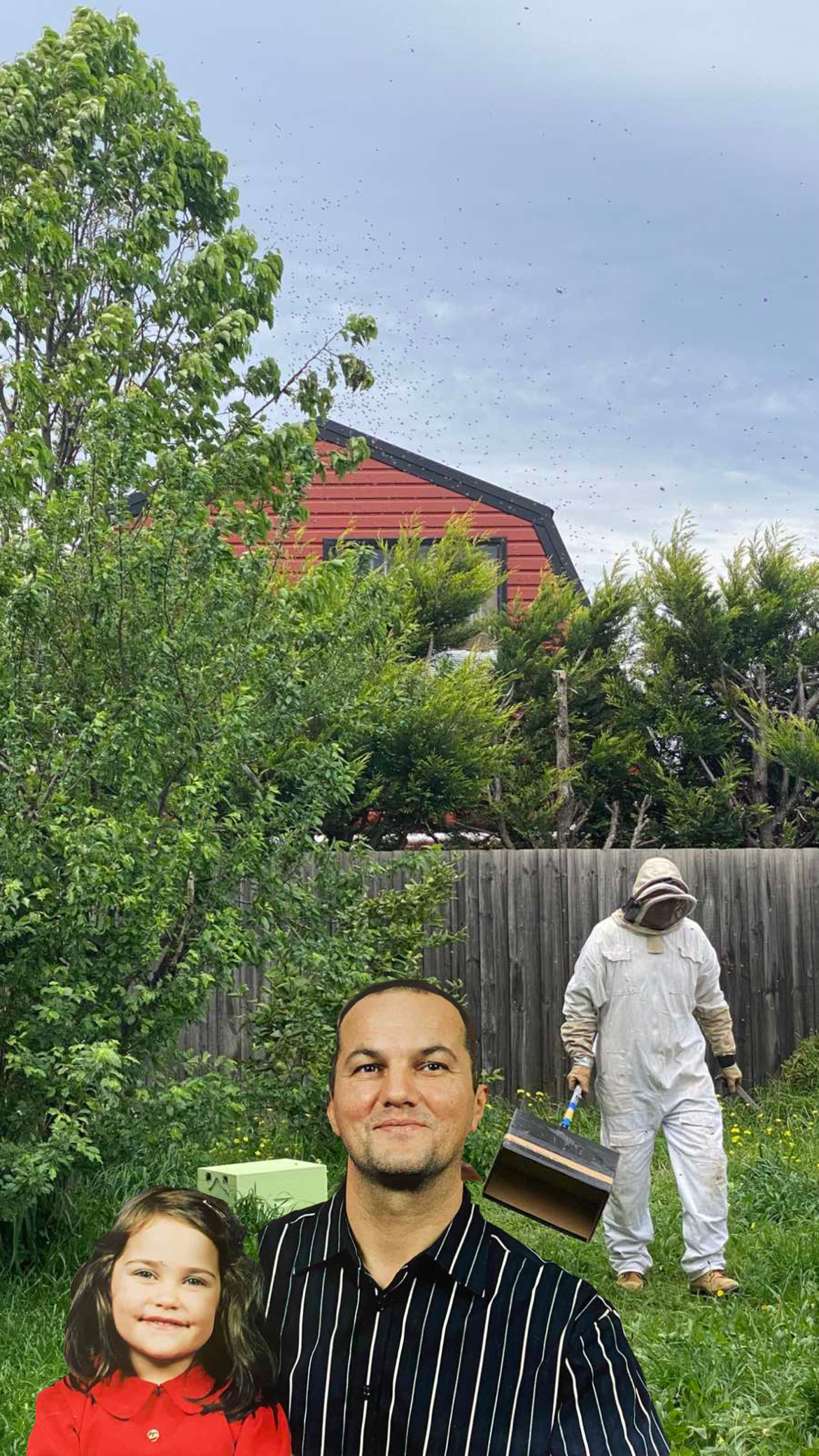
Bees are a system just as any other requiring metadata, processing and parsing to be useful. This is an observation first made by my dad, who has been a hobbyist beekeeper for as long as I can remember. He used to say he could “talk” to the bees, allowing them to meet him at his level of audacity, of emotion. If he panics, they panic. This is a unique form of indexation that disrupts an anthropomorphic assumption on systems engineering. Organization can become something boarder than language or symbols, incorporating the non-human code through human observations in biology. This opens questions of what counts as organization, who (or what) can generate an index and what forms of information processing take place beyond human infrastructures. Ultimately, my project invites a reconceptualization of metadata without the organization conventions we might be used to.
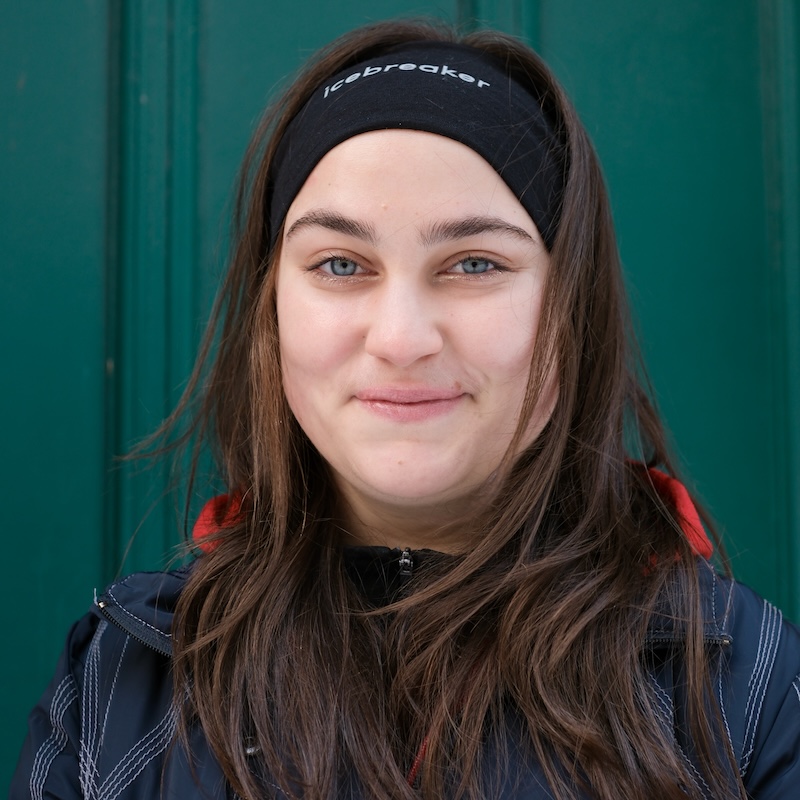
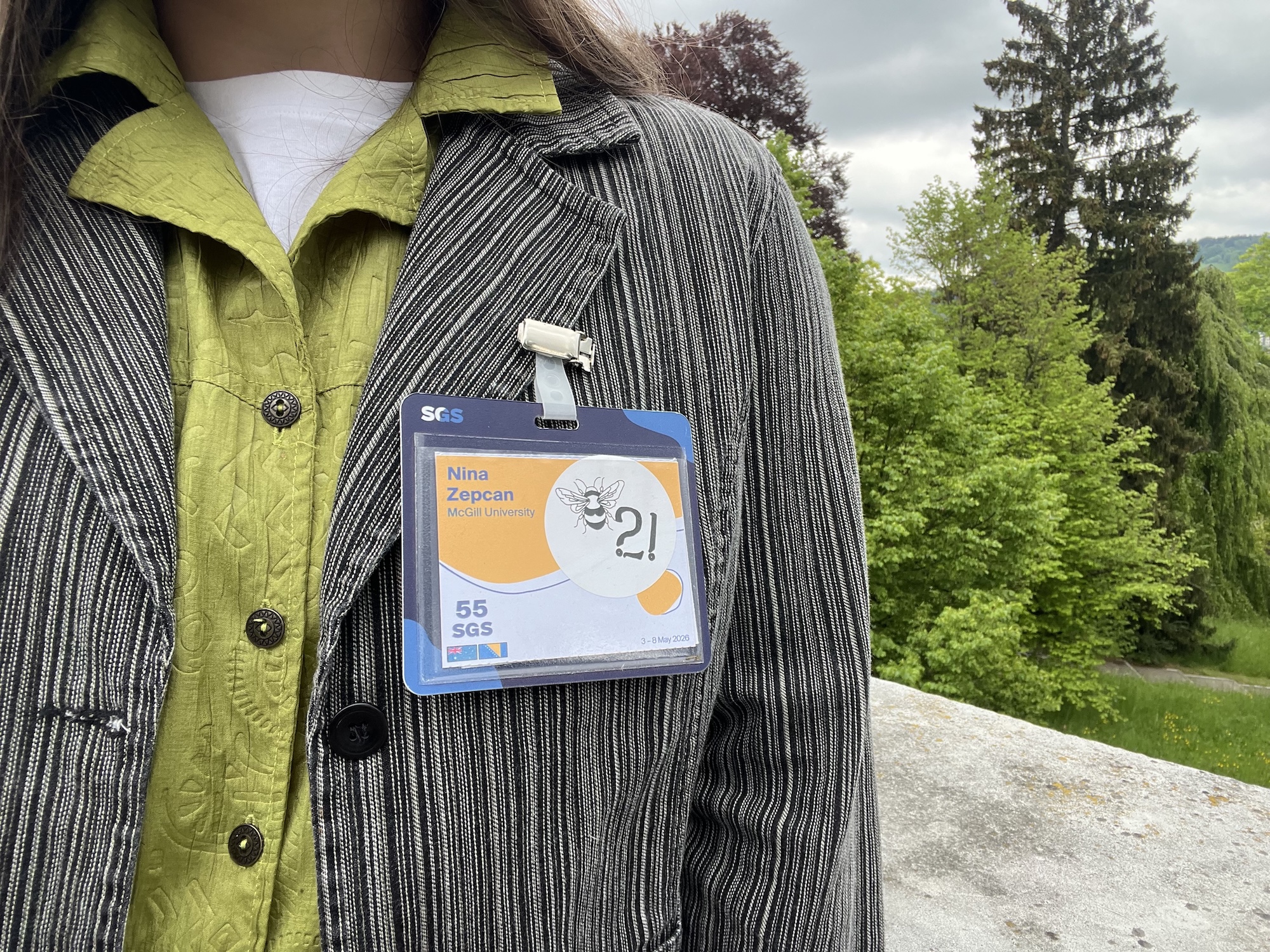
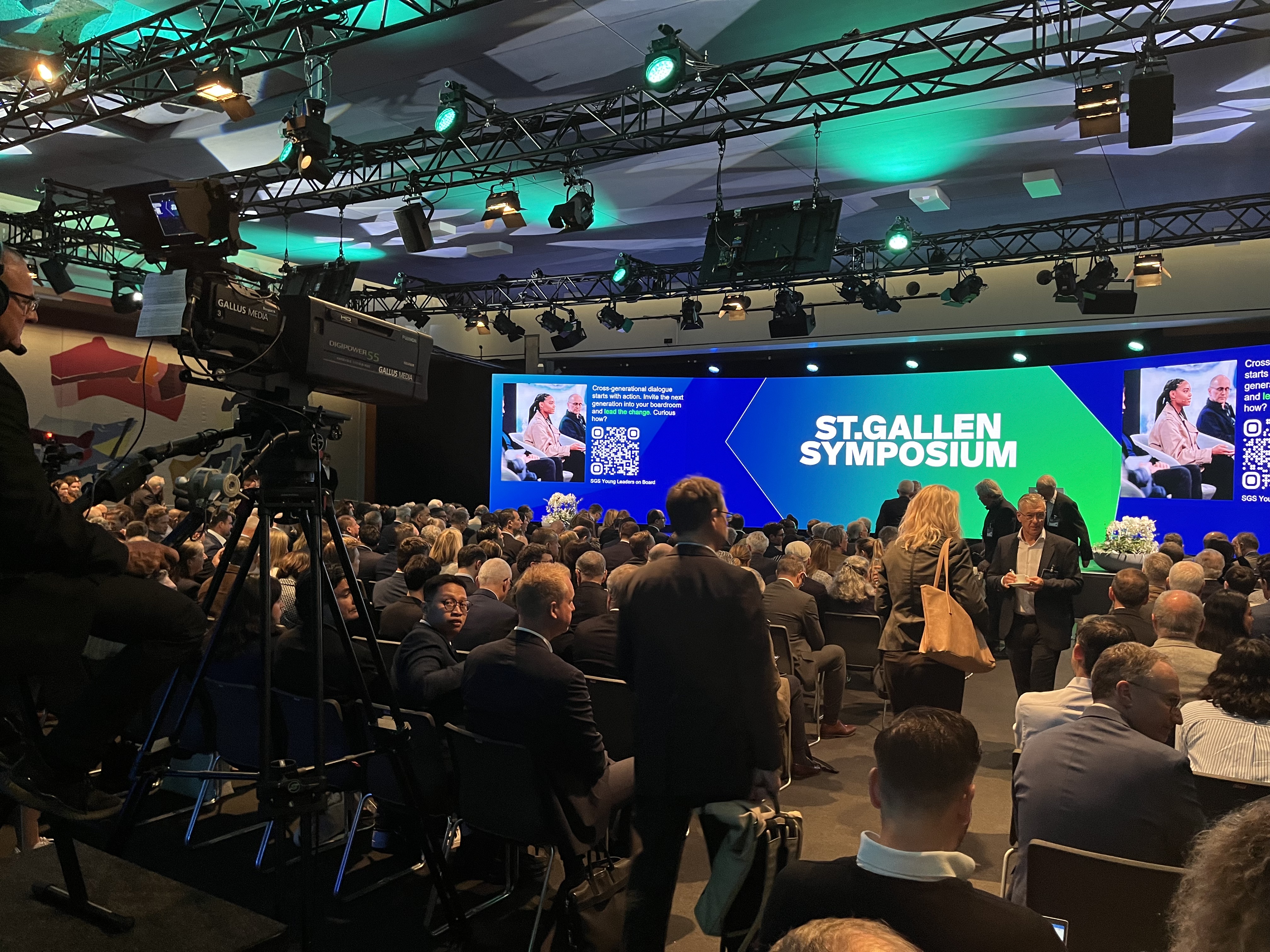
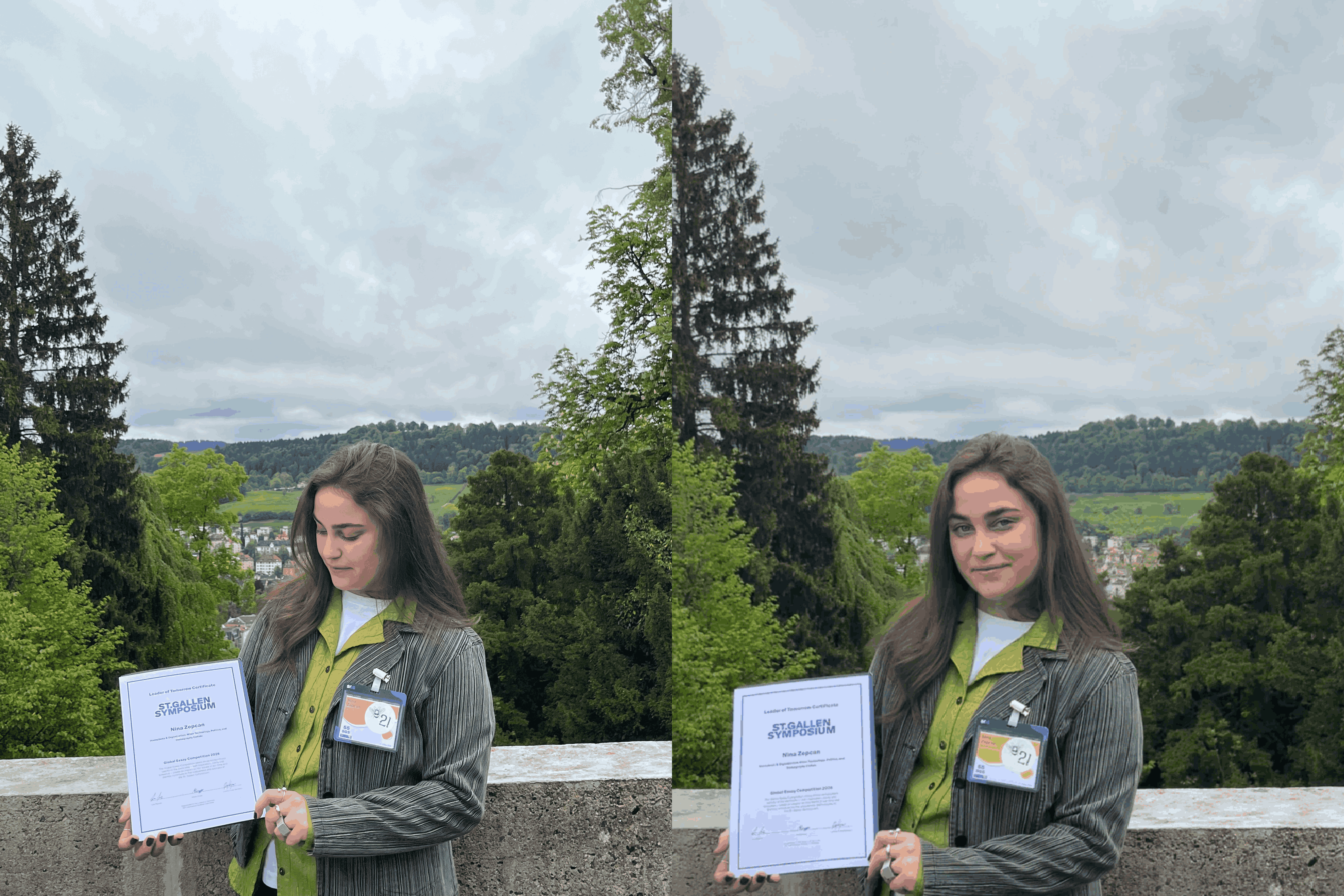
1 – Nina represented McGill and her B21 project at the 55th St. Gallen Symposium in Switzerland.
2 – The Symposium is one of the world’s leading conferences for intergenerational debate. It is held annually at the University of St. Gallen and brings together global leaders from business, politics, academia and civil society to discuss pressing economic, social and political issues.
3 – Nina was selected from thousands of graduate and PhD students globally to write on a critical prompt and attend the conference.
4 – The 55th Symposium explored the unprecedented and simultaneous disruptions across technology (e.g., AI and automation), geopolitics, and demographics, examining how these forces collide and what can be done to manage risks while maximizing societal benefits.
5 – The event is filmed and publicized. Instead of a traditional conference, the Symposium creates a unique collaborative environment where current executives, Nobel laureates and policymakers share stages with young talent to foster new, future-oriented perspectives.
6 & 7 – Nina’s essay focused on honeybees and how they have the unique ability to organize themselves around disruption. Like humans, bees are being hit with the realities of global warming, parasitic pressure, and changing environmental conditions all at the same time. Yet humans, as Nina argues, tend to organize society by avoiding disruption. We are building technology that could replace jobs, suck up our water, or even hurt one another, with no recognition of this disruption. Why can’t we admit that we’re building things not necessarily for evil, but not necessarily for good either? Like the bees, if we can learn to organize around this disruption, accepting changes however catastrophic as the new status quo, only then will we understand how to flourish alongside disruption. How else have the bees managed to survive this long?
“It’s Pollination Time!”, where to next?
9 – To keep this work (and the questions raised) from existing in a vacuum, Nina is taking her ideas to Substack. Scan the QR code or click the link to continue exploring with Nina at substack.com/@ninazepcan
10 – I dedicate this work to my Babo. He is my dad, a thinker and a hobbyist beekeeper in Melbourne, Australia. Most of my life, he has encouraged me and my siblings with the simple Bosnian phrase “samo napred” / “just move forward”. These words have followed me to Canada, where I pitched this topic and was welcomed with open arms by the BLUE Fellowship community. Babo, your ideas now live with no risk of redundancy. Z037 for life!









.svg)